
I did a lot of work on one specific category of solution my employer provides. I wanted to optimize it’s visibility, as the keyword difficulty in many terms related to these products is very low.
This is what I did:
- Establish my list of terms, these would be based on solutions or products the company or brand provides.
- Align these terms with the informational content you/your brand’s content team is working on.
- Ensured I can create a “web” of these content pieces and key terms, linking them to each other. This includes blog posts, pillar pages, eBooks, listicles, etc. This content should be up to date, relevant, and accessible to humans and AI. (meaning alt tags, meta data, etc. is ALL filled out correctly and to it’s fullest)
- Watch analytics. I check weekly and monthly on a regular schedule so the basis for comparison is as close as possible.
- Consider A/B testing, updating/archiving, etc. based on results.
I ended up having a set of 14 main terms I focused on over 2025
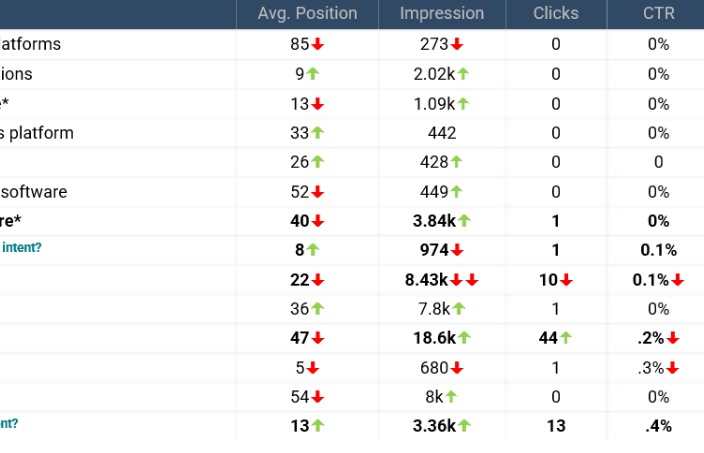
I tracked our position, what type of intent they had, and how this changed throughout the year. What I found was very interesting.
Content that ranked well in broader terms saw performance based on holidays, incidents, viral moments, and more.
Content that ranked well in more specific terms saw a better click through rate.
Content that was a part of a journey from a broader term to a more specific term, saw a better conversion to a contact, lead, or MQL.
I also noticed how the quality of our day to day content really affected it’s visibility and long term success. It is truly QUALITY over quantity in the organic search business.
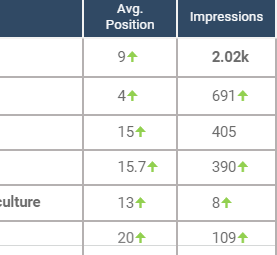
After doing some better strategizing, more intentional and higher quality content, our results showed. We went from not being very visible in certain areas to being cited in AI overviews.
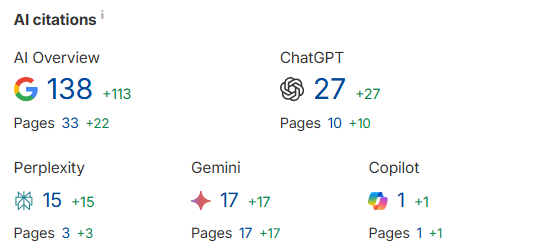
These numbers might seem small but this progress is great to me! Especially when our share of voice is very vast in some ways, and niche in others.